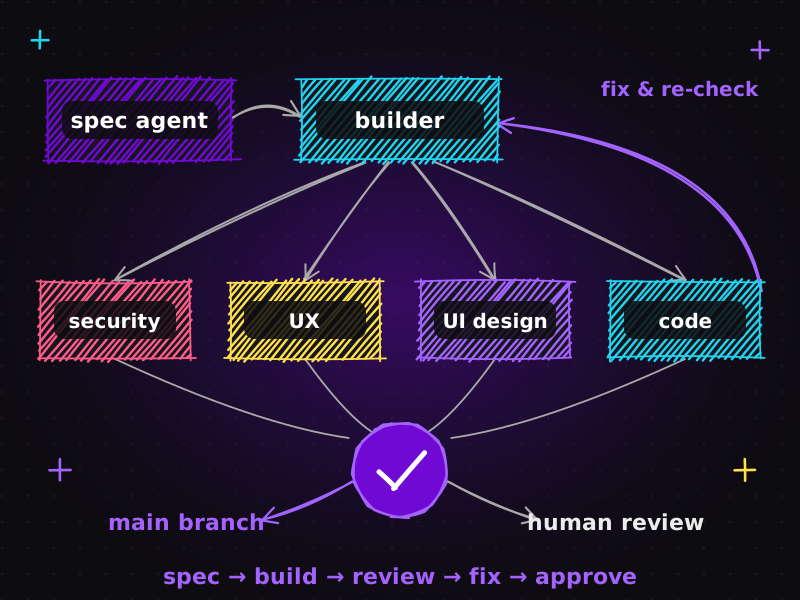
Instead of asking one AI agent to do everything, a software factory gives each agent one job (plan, build, review or approve) and verifies every change before it reaches the main branch.
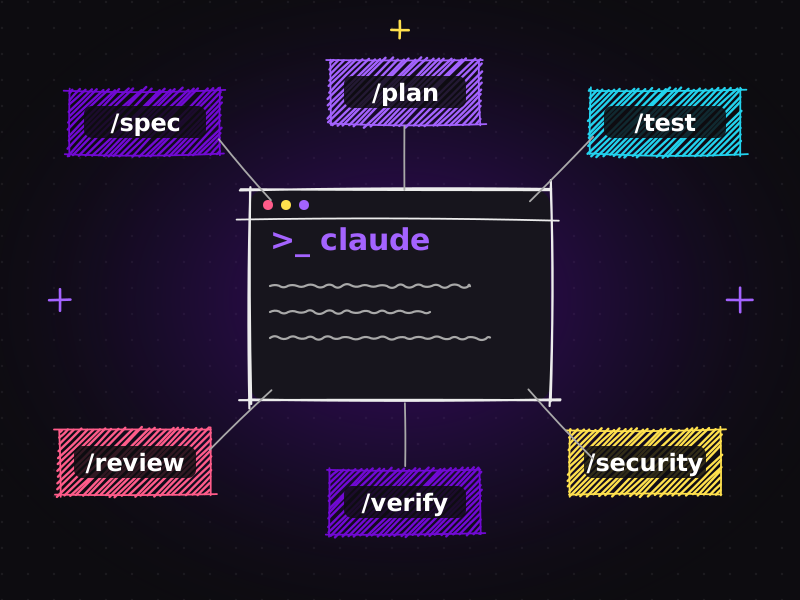
Claude Code is more than a coding assistant. With the right plugins and a solid CLAUDE.md, it behaves like a small AI engineering team that plans, tests, reviews and secures your code.
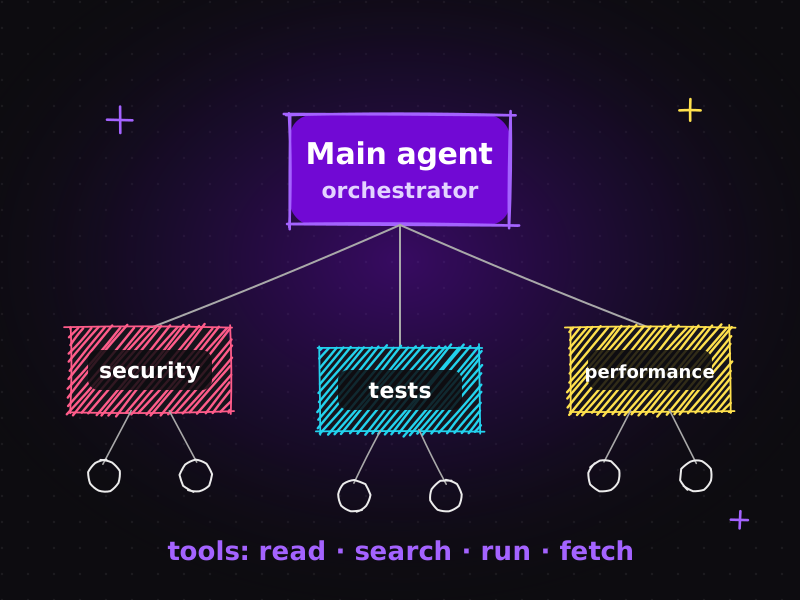
Main agent, sub-agent, tools, orchestration, GSD workflows: agentic AI comes with a lot of jargon. Here's a simple cheat sheet that explains each piece and how they fit together in a real project.
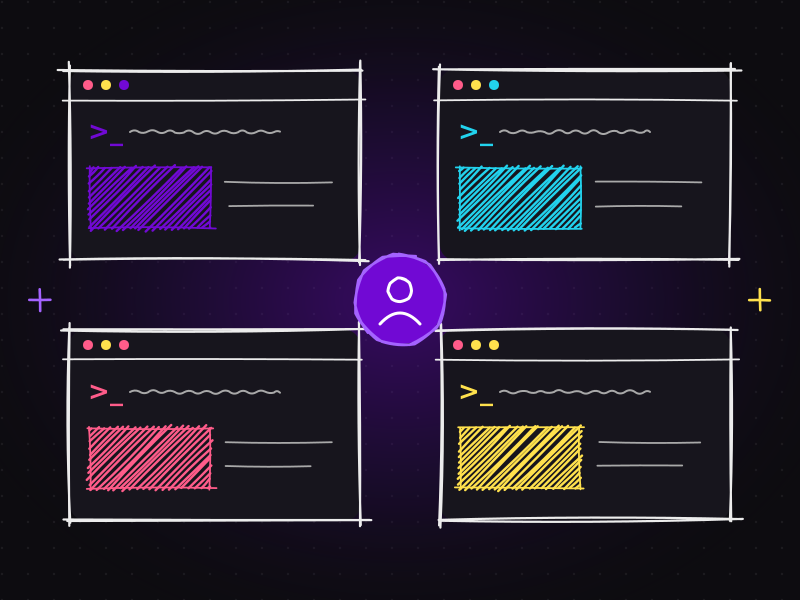
The real advantage of running multiple Claude sessions isn't multitasking. It's parallel execution without constant context switching. Your time becomes the coordination layer, not the bottleneck.
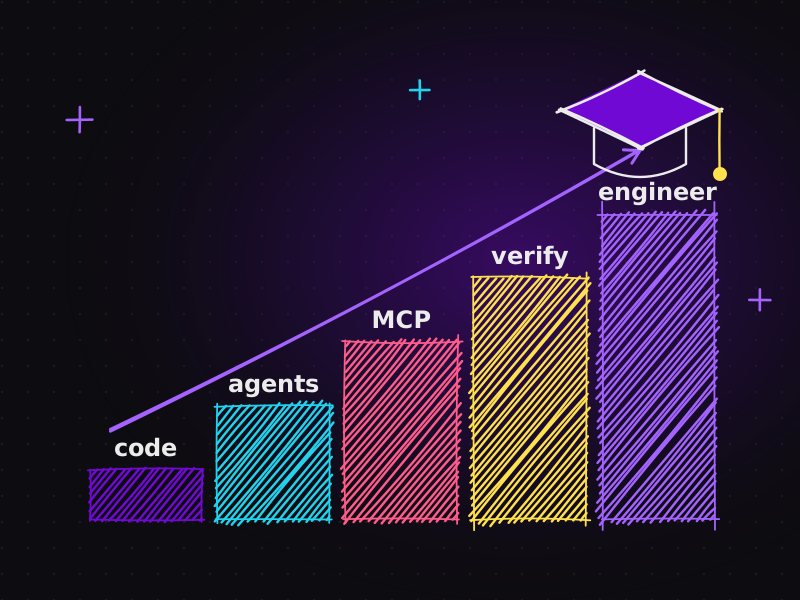
Completing a Claude Code and coding agents course changed how I see AI in software development: less as a faster way to write code, more as part of the entire engineering process.
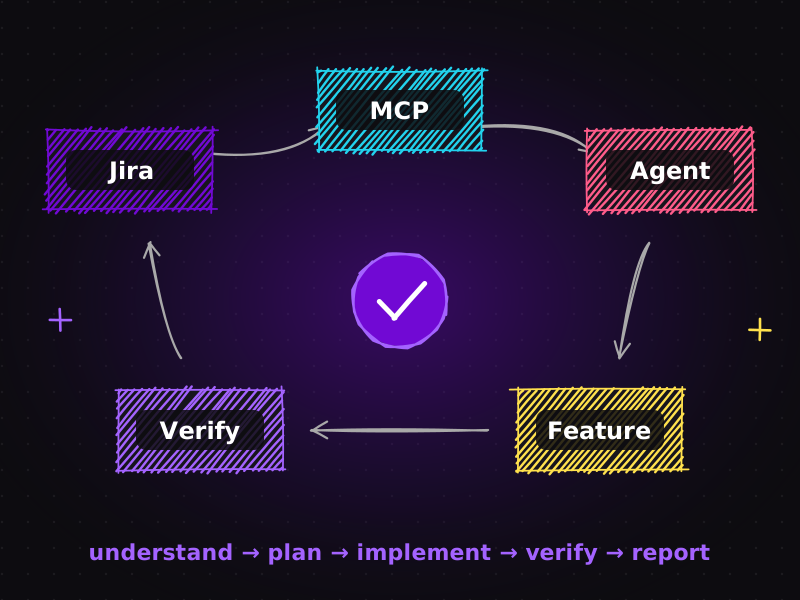
Instead of copying requirements from Jira into an AI tool, let the agent read the issue, explore the codebase, plan, implement, verify and report back to Jira in a traceable development loop.


 Featured · AI Development